Description
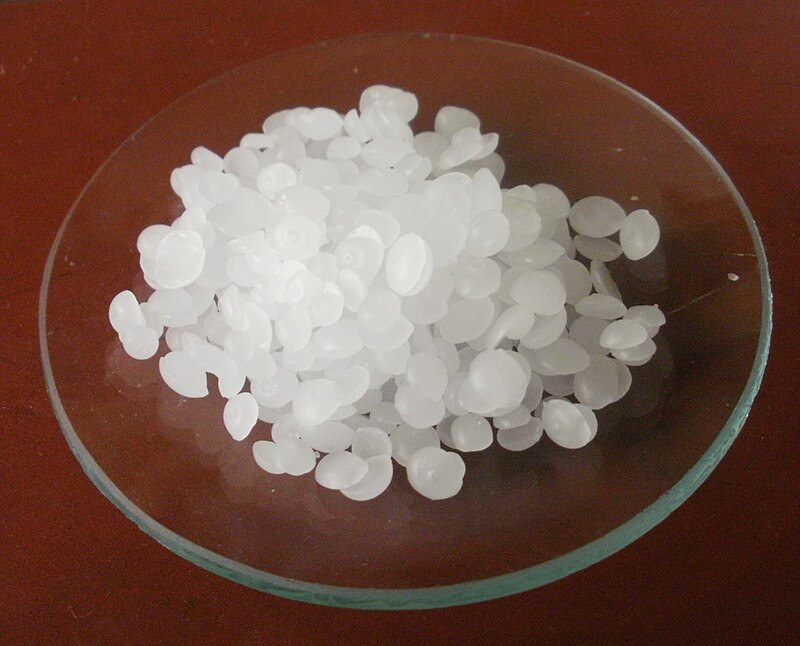
Paraffin wax is a soft, solid hydrocarbon mixture derived from petroleum, coal, or oil shale, known for its low melting point and waterproof properties. It is a white, somewhat translucent material that melts above approximately 37 °C (99 °F) and has a variety of uses, including in **candles, **cosmetics, and **food coatings, as well as for **lubrication, **electrical insulation, and as a **waterproof coating for paper and wood.
Origin and Composition
- Paraffin wax is a byproduct of the petroleum refining process.
- It consists of saturated hydrocarbon molecules with 20 to 40 carbon atoms.
- It is separated from light lubricating oil stocks through a dewaxing process.
Key Properties
- Solid at room temperature: It is a soft, pliable solid.
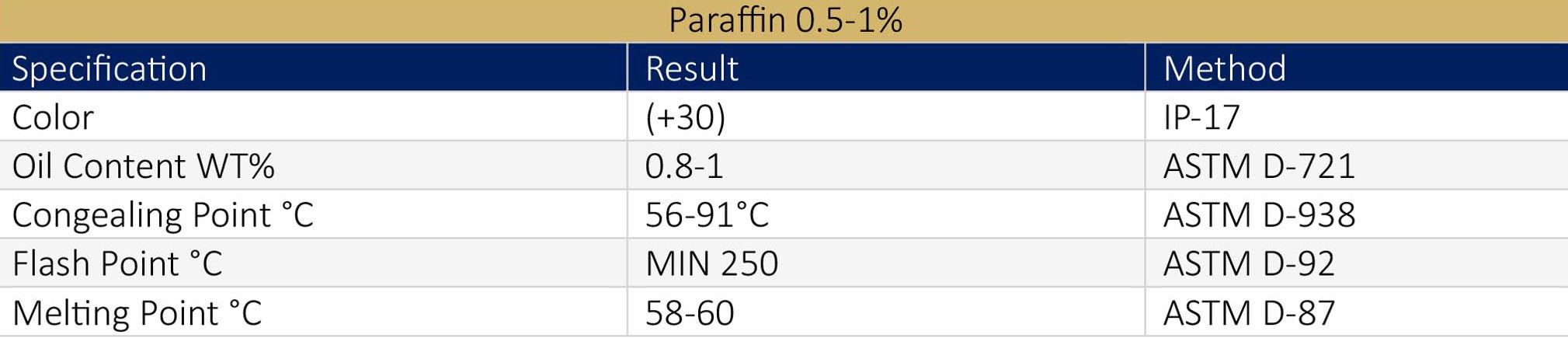
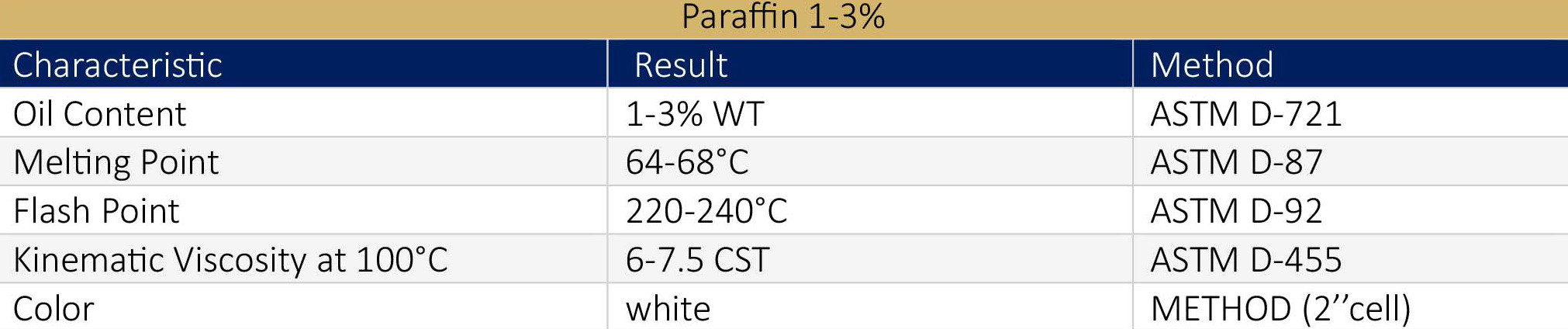
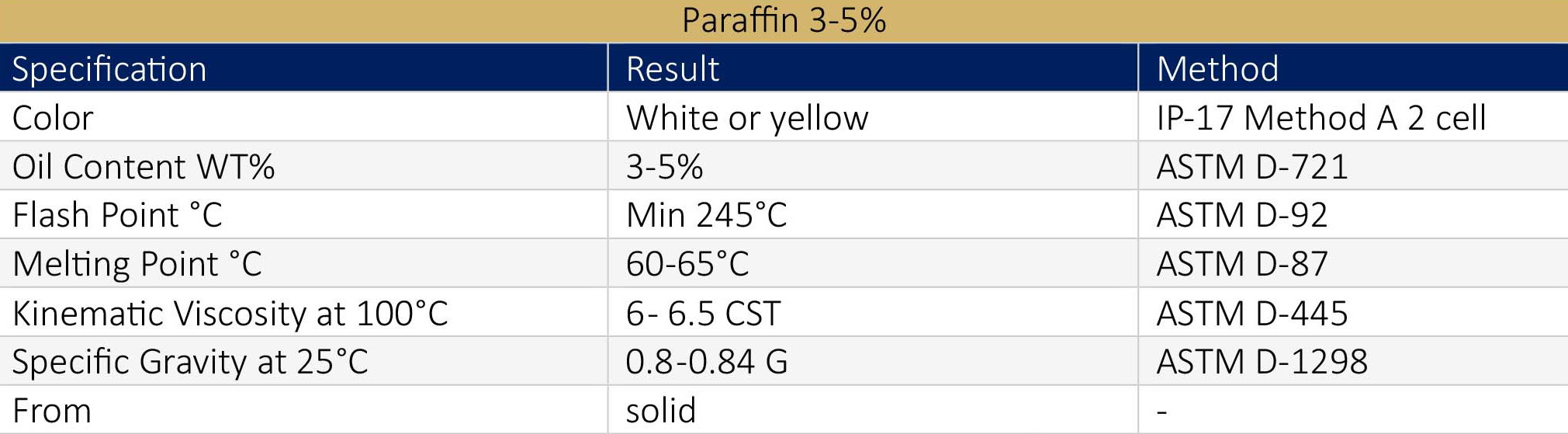
- Low melting point: It begins to melt around 37 °C (99 °F) to 66 °C (150 °F), making it easy to melt and pour.
- Waterproof: It provides an effective waterproof barrier for various materials.
- Insulative: It is a good electrical insulator.
- Versatile: Its properties allow it to be blended and formulated for different applications.
Common Uses
- Candles: Paraffin wax is widely used in the production of candles.
- Cosmetics and Skincare: It is used in skin softening and hydrating treatments, such as paraffin wax baths, and as a base for some ointments.
- Food Industry: It serves as a food-grade coating for some foods, including cheese and fruits.
- Industrial Applications: It is used for lubrication, as a waterproof coating on paper and wood, and in the electrical industry as an insulator.
- Art Supplies: Dyed paraffin wax can be used to make crayons.