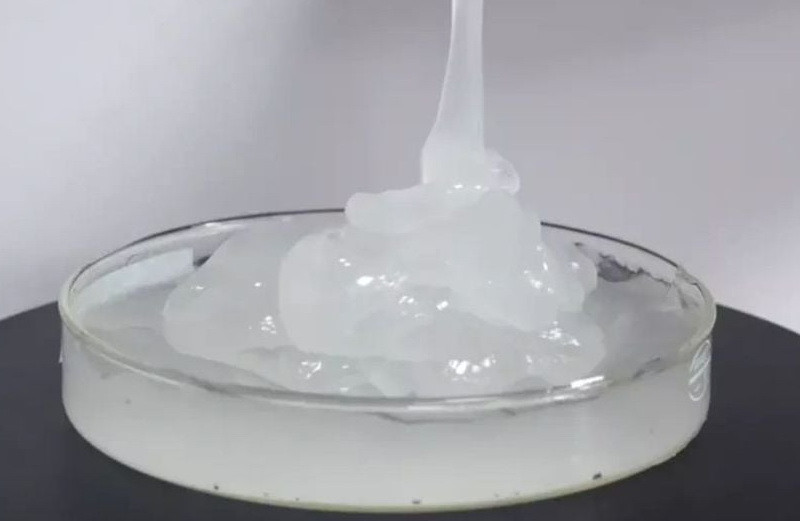
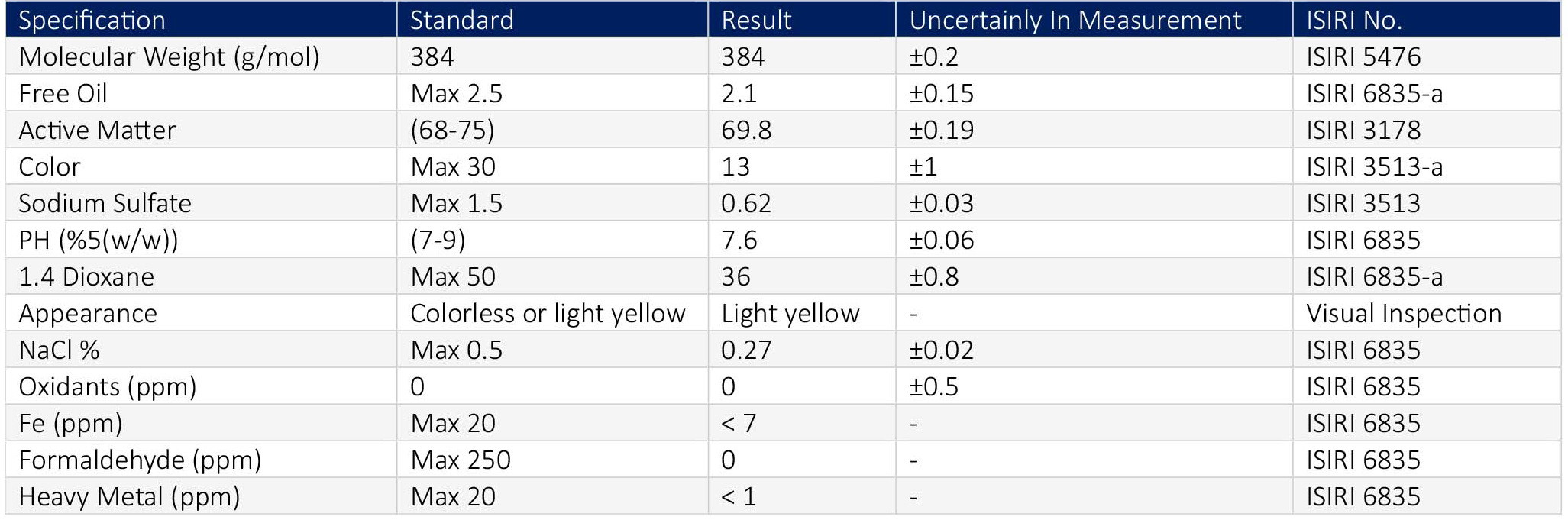
Sodium lauryl ether sulfate (SLES), also known as sodium laureth sulfate, is an anionic surfactant widely used in personal care products and detergents for its excellent foaming, detergency (cleaning), and emulsifying properties. Derived from ethoxylated fatty alcohols, it is a less irritating alternative to sodium lauryl sulfate (SLS). SLES is effective in a broad range of applications and provides excellent compatibility with other surfactants.
Key Characteristics
Anionic Surfactant:
SLES has a negative charge due to its sulfate head group, making it effective at lowering surface tension and allowing oil and water to mix.
Hydrophilic and Hydrophobic Parts:
Its molecular structure contains both a water-loving (hydrophilic) part and a water-fearing (hydrophobic) part, enabling it to clean effectively.
Ethoxylation:
The presence of one or more ethoxyl groups makes it a milder surfactant compared to SLS.
Uses and Applications
Personal Care:Commonly found in shampoos, soaps, body washes, toothpaste, and face wash.
Industrial Uses:Also used in other industrial cleaning products and as a surfactant in herbicides to improve absorption and rainfastness.
Emulsifier:Helps to mix and stabilize immiscible liquids like oil and water.
Foaming Agent:Produces a stable and abundant foam.
Benefits
Excellent Cleaning:SLES offers strong detergency for effective cleaning.
Foaming Power:It creates rich and stable foam.
Milder than SLS:It is considered a less irritating alternative to sodium lauryl sulfate.
Compatibility:Compatible with almost all other types of surfactants.